

Minimalist Interior Design: Principles That Actually Work
5 min read
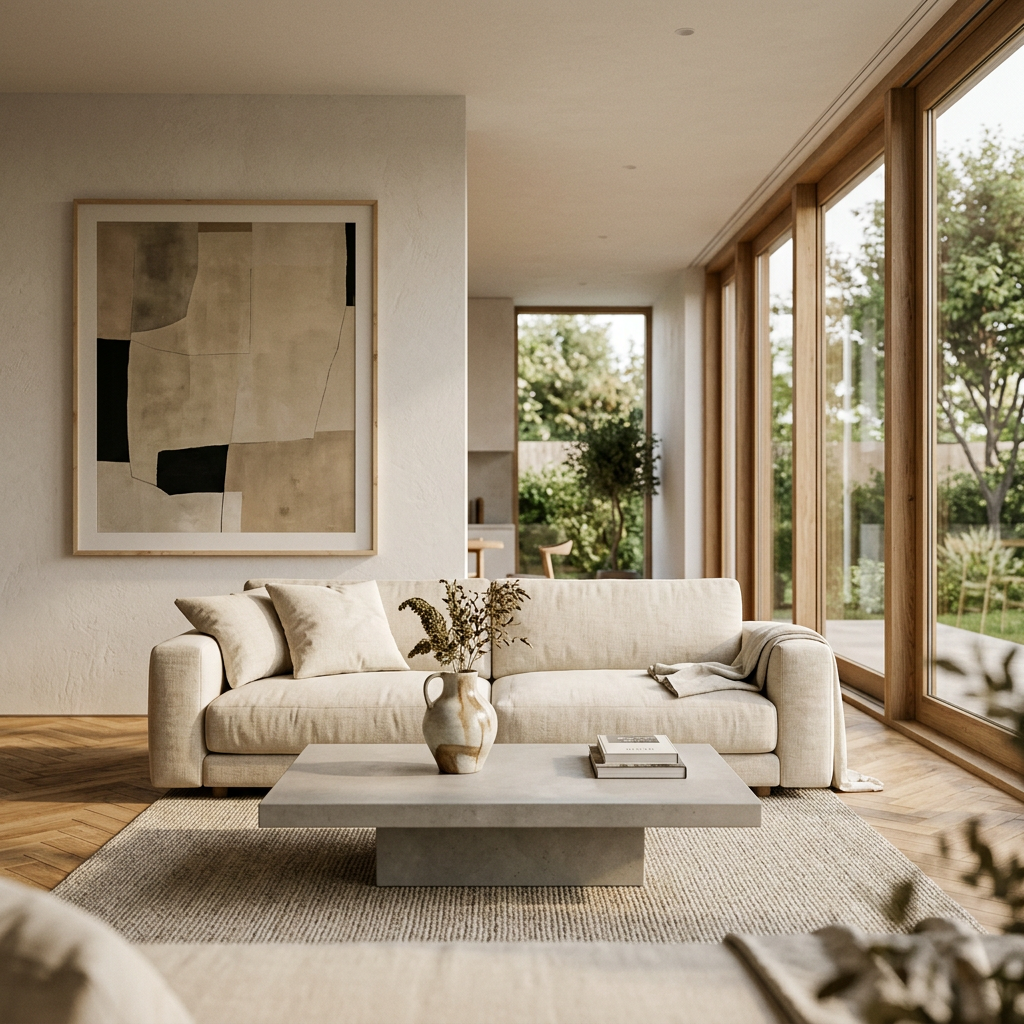
Minimalism is one of the most misunderstood styles in interior design. People hear "minimalist" and think bare white walls, one chair, and a single plant. That's not minimalism — that's an empty room.
Real minimalist interior design is harder than it looks. It requires more decisions, not fewer. Every object that stays in a minimalist room earned its place. Every surface, material, and proportion was chosen deliberately. The result isn't emptiness — it's clarity.
At Interior Design Awards (IDA), minimalist submissions consistently earn some of the highest community votes. Here's what the designers behind those spaces actually understand about the style.
The hardest part of minimalist design isn't removing things. It's deciding what stays.
A minimalist room isn't designed by taking a normal room and removing furniture until it feels sparse. It's designed from scratch with a precise question at every step: does this object, material, or detail earn its place? If it doesn't serve a clear function or make the space demonstrably better, it doesn't belong.
This is why minimalist spaces often feel more expensive than they are. Every element gets more visual attention because there's less competition. A well-chosen ceramic vase on a concrete coffee table in a minimalist room is the only thing you look at. In a maximalist room, it disappears.
The IDA community responds to this quality immediately. Minimalist submissions that score highest are the ones where you can sense the decisions behind every choice — not spaces that simply have less stuff.
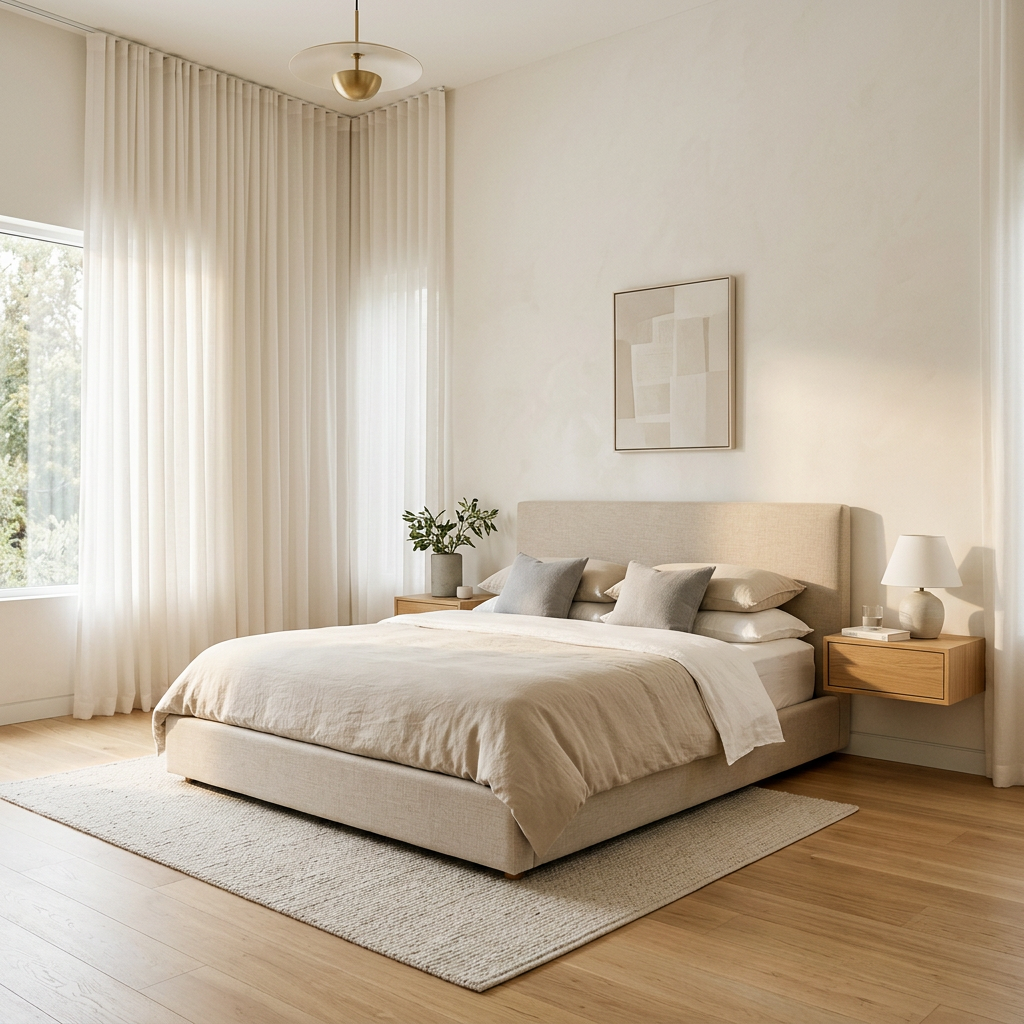
In most design styles, you can get away with furniture that's slightly too large or a ceiling fixture that's a little off-center. In minimalist design, these things are immediately visible because there's nothing else to look at.
Proportion is everything. The height of a coffee table relative to the sofa. The width of a headboard relative to the wall behind it. The gap between furniture and the floor. The amount of wall visible above a piece of art. These relationships define the feeling of a minimalist room more than any individual object does.
The most common mistake in attempted minimalist design is furniture that's too large for the space. A sofa that fills an entire wall, a dining table that leaves no room to walk around — these make a minimalist room feel claustrophobic rather than calm. Scale down, leave breathing room, and the space will feel more expensive and more intentional.
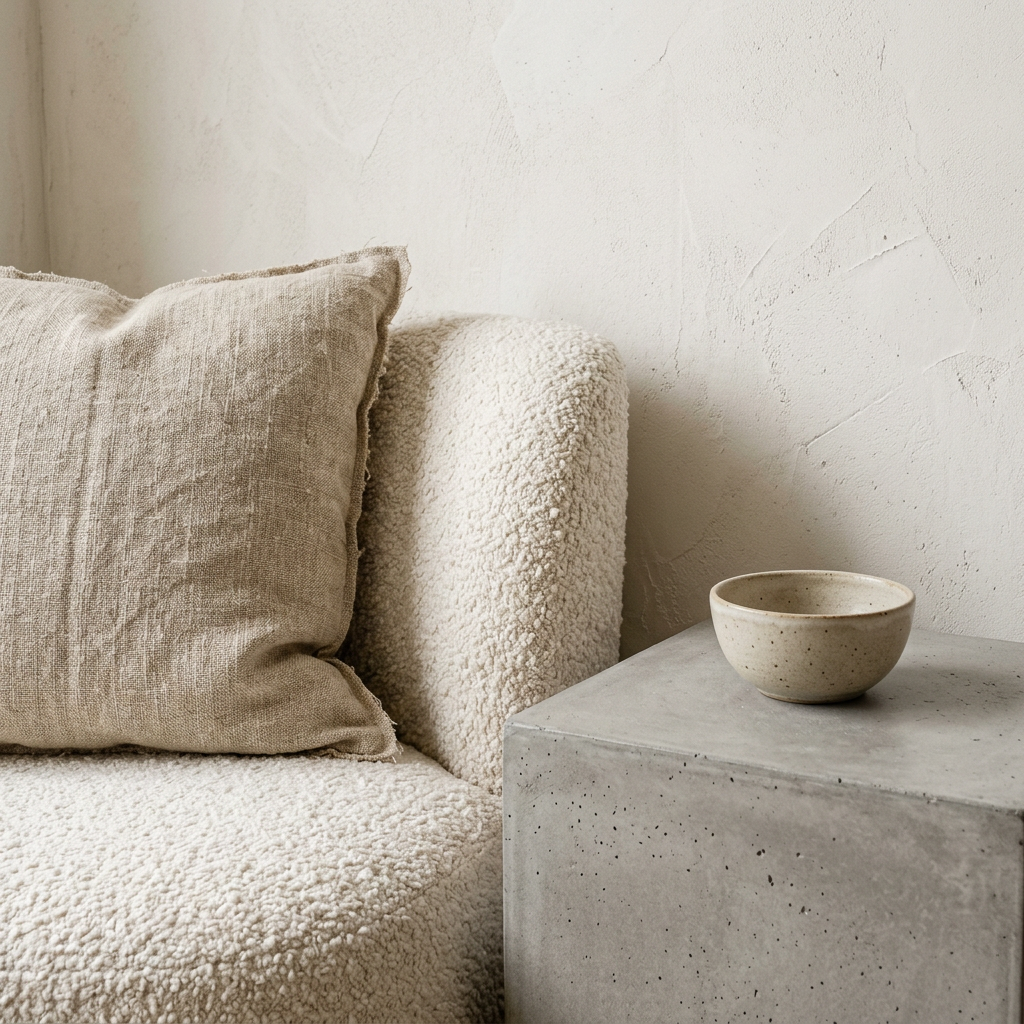
Minimalist interiors fail when they confuse simplicity with smoothness. A room of white walls, white furniture, and polished surfaces in a minimal arrangement isn't minimalist — it's cold and clinical.
The secret to minimalism that feels warm and livable is texture. When you reduce color and pattern, texture becomes the primary sensory interest in a space. Rough linen against smooth concrete. Hand-troweled plaster next to polished oak. A matte ceramic bowl on a glass shelf.
These contrasts give the eye something to engage with without introducing visual clutter. They make a neutral room feel rich and considered rather than unfinished or sterile.
IDA designers who execute minimalism at the highest level consistently use this principle. Their rooms have three to five distinct material textures — always in a restricted color palette — and the result is spaces that feel both calm and deeply interesting.
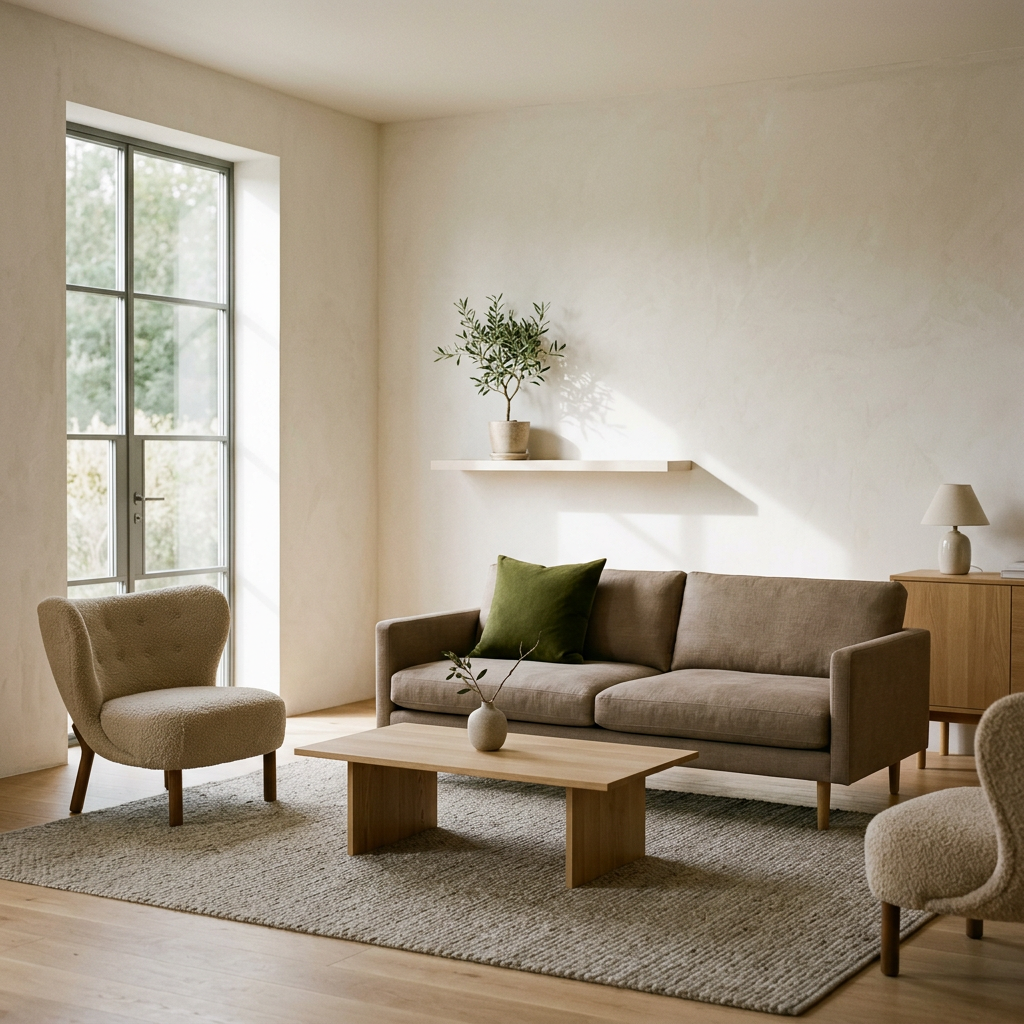
Minimalist design typically operates in a narrow color palette, but the most successful minimalist interiors are anything but boring. The difference is in the warmth and depth of the neutrals chosen.
Cold grays and stark whites feel institutional. Warm whites, off-whites with yellow or pink undertones, sand, warm taupe, and greige — these create neutral spaces that feel human and inviting.
The rule most successful minimalist designers follow: choose your neutrals the way a painter mixes colors, not the way someone fills out a paint chip at a hardware store. Every tone in the room should relate to every other tone. They don't need to match — they need to belong to the same family.
One accent color, used sparingly, can anchor a minimalist room. Deep olive, terracotta, warm navy — any of these introduced through a single cushion, a ceramic piece, or a plant will give the eye a resting point without breaking the minimal logic of the space.
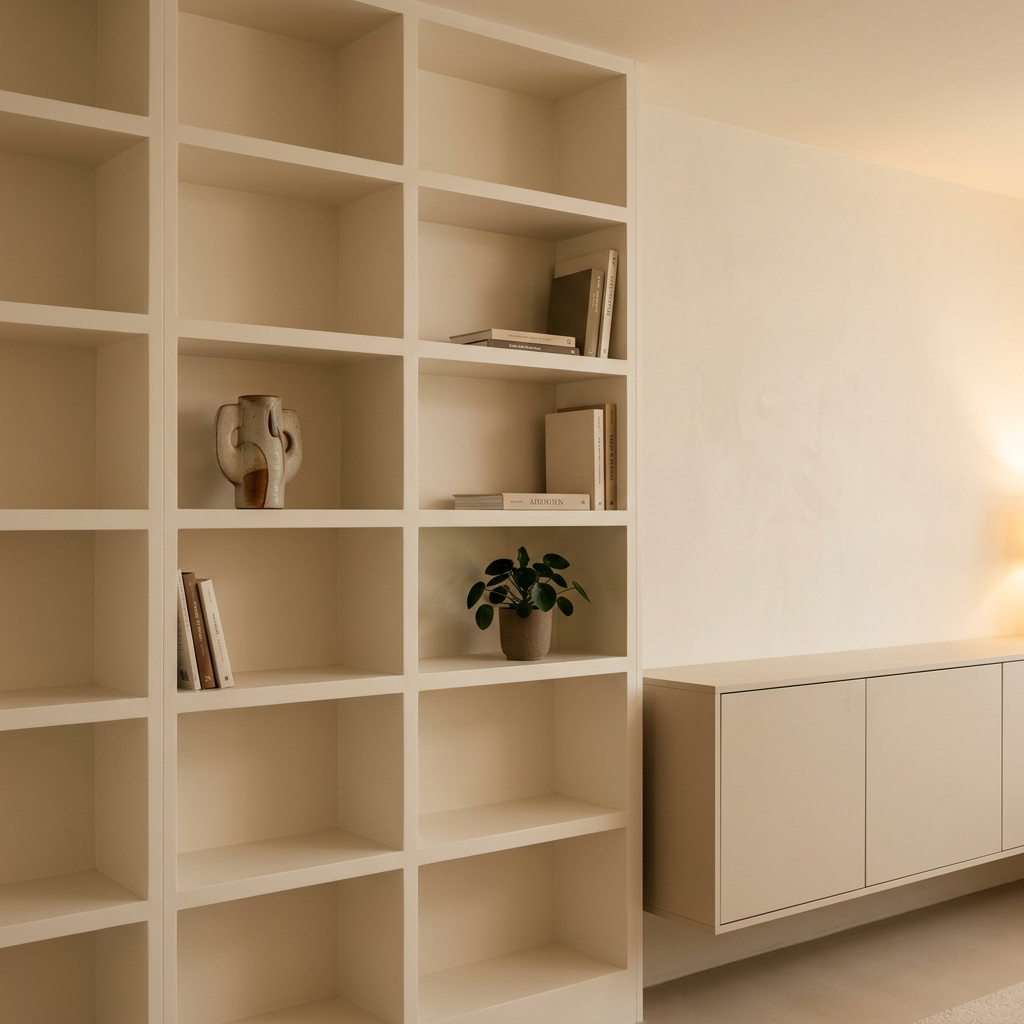
One of the practical challenges of minimalist living is that objects don't disappear — they need to go somewhere. The solution minimalist designers use isn't to own less (though that helps). It's to treat storage as a design element rather than a functional afterthought.
Built-in joinery that runs floor-to-ceiling makes storage feel architectural rather than furniture-like. Handleless cabinet fronts remove visual noise. Deep drawers keep surfaces clear. Everything has a place, and the place is hidden.
When storage is designed this way, the minimal aesthetic becomes maintainable. A minimalist room with nowhere to put things will always look cluttered within a week of being photographed. A minimalist room with intelligent integrated storage can actually be lived in.
The highest-rated IDA minimalist submissions share this quality: you can tell that the designer thought about where everything goes, not just how the room looks in an empty state.
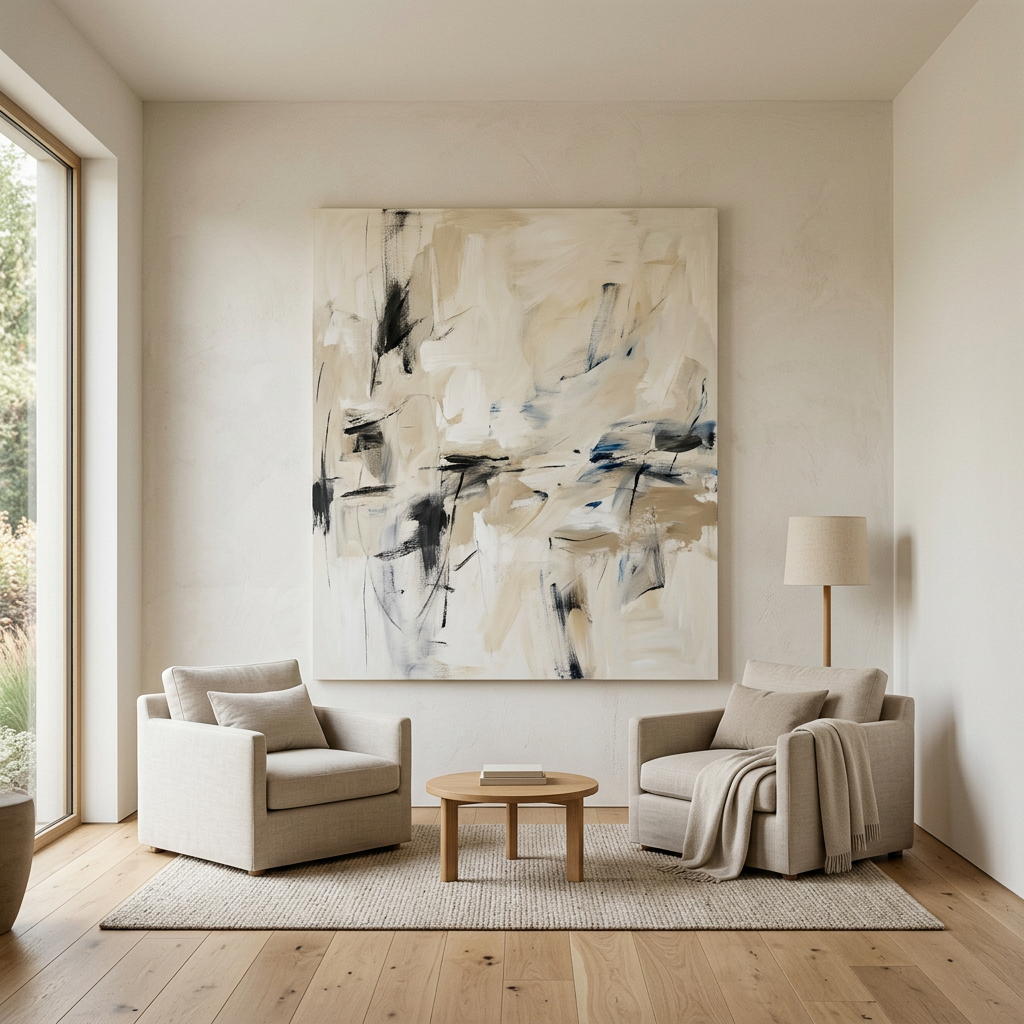
Every successful minimalist room has one thing that the space is organized around. One large-format artwork. One dramatic window. One sculptural fireplace. One architectural feature.
Everything else in the room exists in service of that focal point — quieter, more recessive, directing attention rather than competing for it. This hierarchy is what gives minimalist rooms their sense of calm. When everything is equally prominent, nothing is. When one thing is deliberately emphasized, the room has a center of gravity.
This principle also solves the problem of minimalist rooms that feel unfinished. The feeling of incompleteness usually comes from a room that has been edited down without being given a focal point to anchor it. Add one strong element — a piece of art, a statement light fixture, a textured feature wall — and the room immediately reads as intentional.
Minimalist interior design demands more discipline than most styles, not less. It requires knowing which objects matter and having the confidence to leave space empty when nothing better is available.
The reward is spaces that feel genuinely calm — not staged, not sparse, but considered. Rooms where the quality of each choice is visible because nothing is hidden behind visual noise.
The IDA community votes reflect this consistently. Minimalist submissions that earn the highest scores are the ones where you sense the designer's confidence in every decision. Not rooms that simply have less. Rooms that have exactly enough.
Every month, interior designers submit their best projects across 17 categories on Interior Design Awards. The community votes, and the top 3 earn recognition and cash rewards.
Browse minimalist spaces from working designers — or submit your own.
→ Browse this month's minimalist projects
→ Submit your design and compete
Interior Design Awards (IDA) is a platform where designers share room projects, the community votes monthly, and the top designers earn recognition and rewards. Based in the US, open to designers worldwide.