

Interior Design Portfolio: Examples and How to Build One That Wins Clients
6 min read
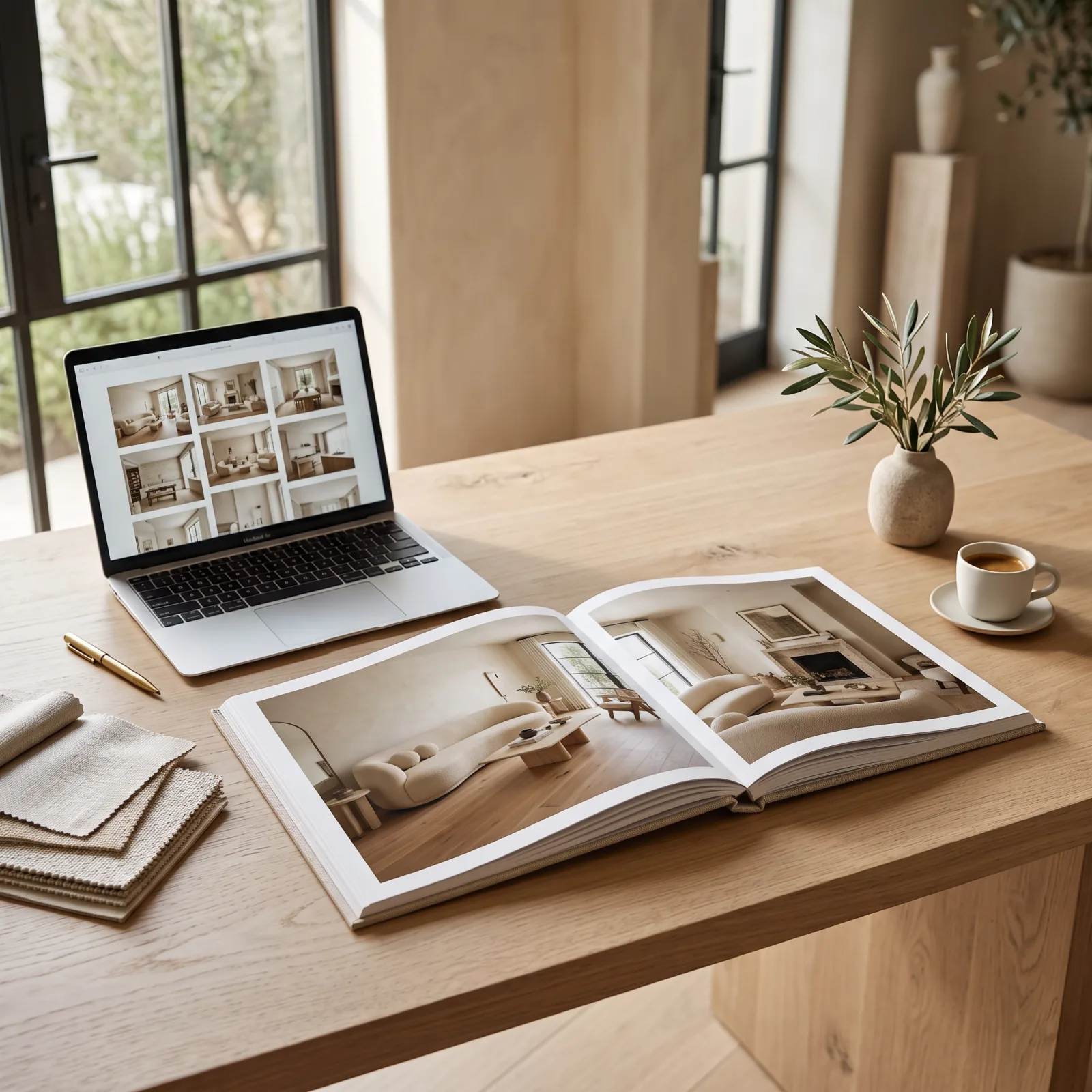
A potential client decides whether to call you in the time it takes to scroll through your portfolio. They are not grading your technique. They are asking one question: can this person solve a problem like mine — and will I love the result?
Most interior design portfolios answer the second half of that question with beautiful photographs and ignore the first. The portfolios that consistently win clients do both: they show the finished room and explain the thinking that produced it.
At Interior Design Awards (IDA), designers publish room projects every month and the community votes on them. Watching which projects earn the most votes — and which get skipped — is a surprisingly clear lesson in what makes a portfolio work. Here is what we have learned, with real examples.
The same designer often needs three versions of the same work:
Write down your primary audience before you choose a single image. It decides which projects go first, how long the text is and whether you show drawings at all.
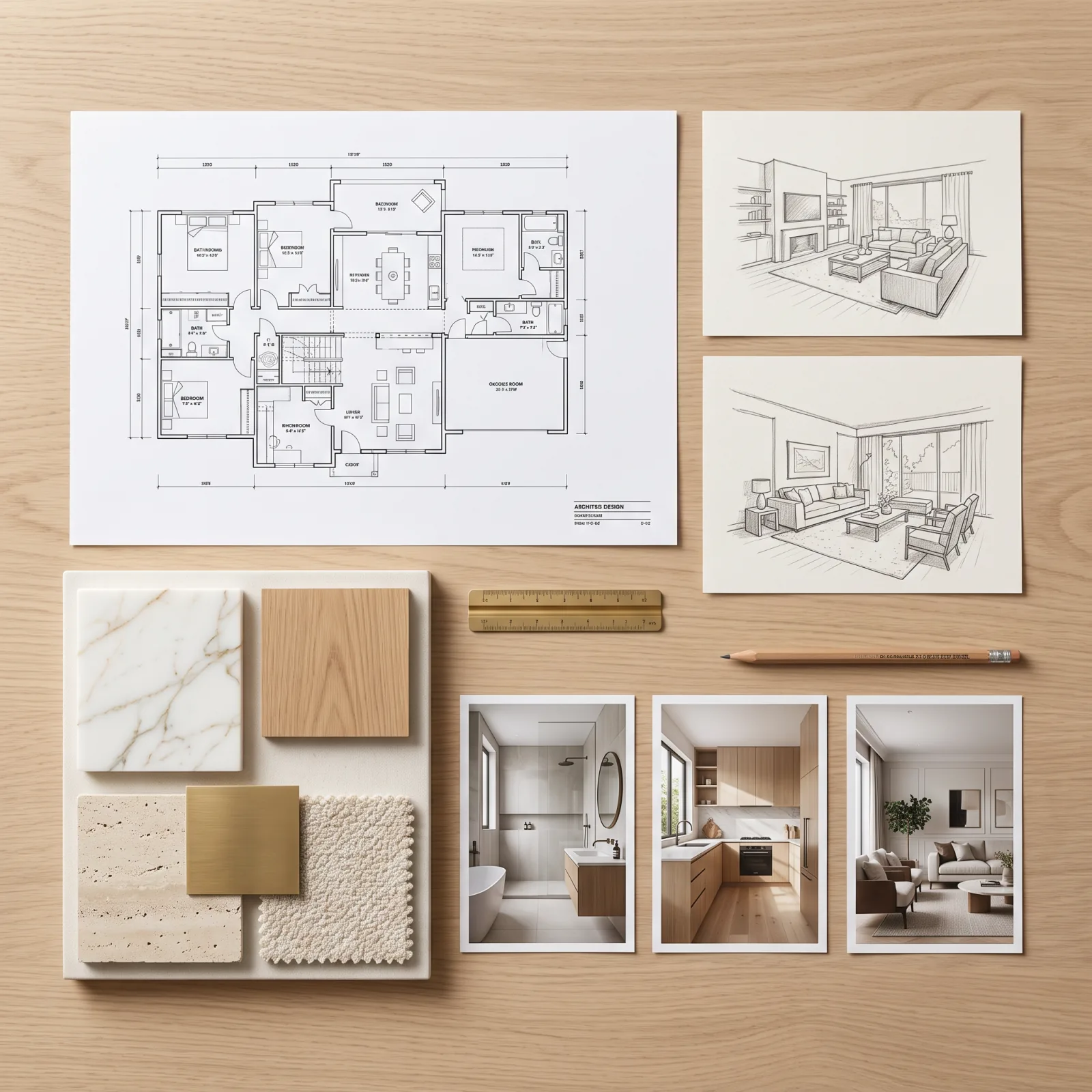
A strong portfolio is edited, not exhaustive. Aim for:
If you have fewer finished projects than you would like, a well-documented concept or student project with drawings and renderings is better than a weak built project. Label renderings honestly.
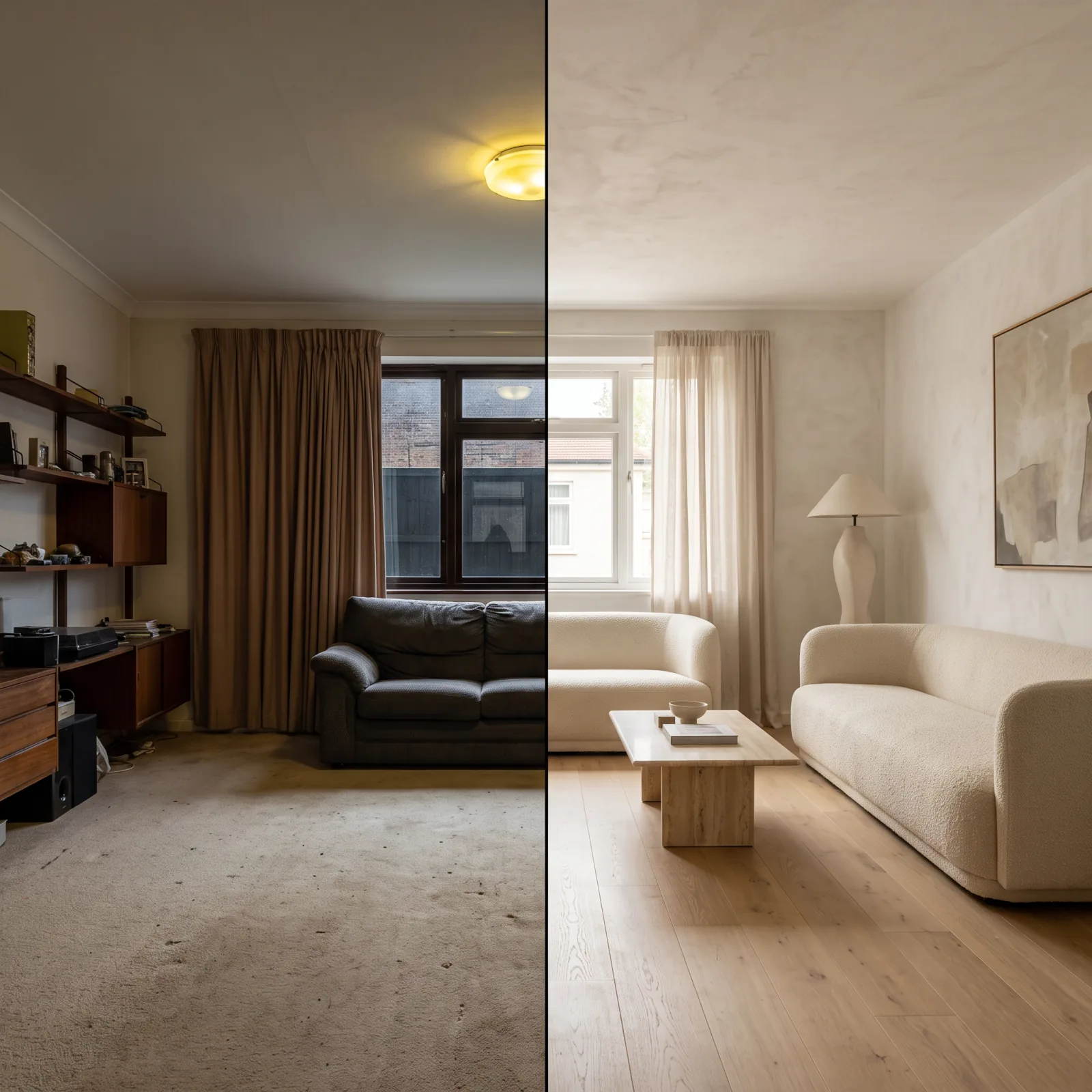
The difference between a gallery and a portfolio is the story. Use the same five-part structure for every project so clients can compare them quickly:
Keep it to 150–300 words. Award programs use similar limits — Interior Design magazine's Best of Year caps descriptions at 500 words — because a short, specific narrative is easier to trust than a long, adjective-heavy one.
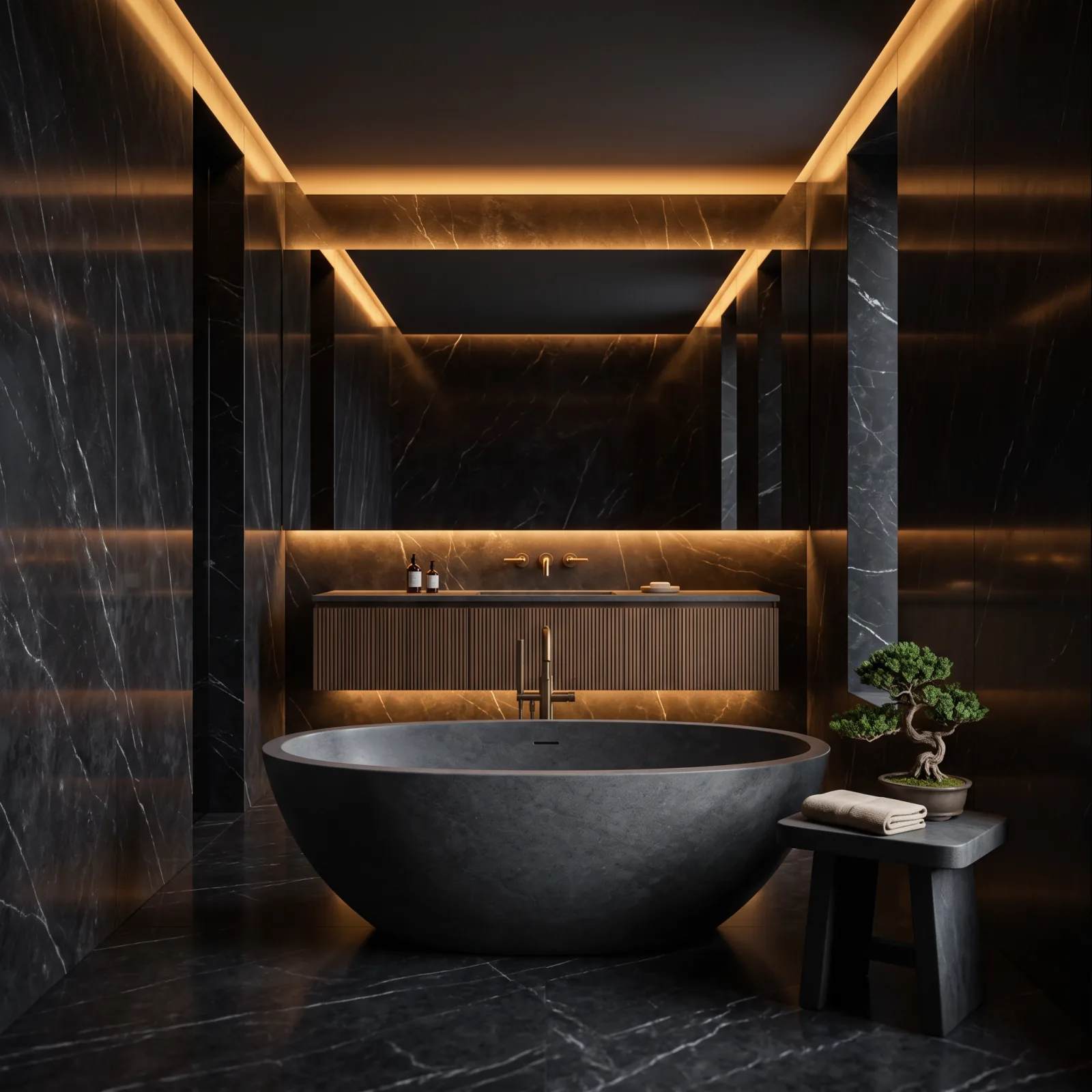
Looking across the projects that have won first place in IDA's monthly contests, three patterns repeat.
A clear concept stated up front. Noir Bathroom Sanctuary by Nathalie Du Mortier, a first-place winner in the Bathroom category, opens by describing the room as a bathing sanctuary designed for nervous-system regulation — and every material and lighting choice in the description supports that idea. Voters understand what they are looking at before they scroll.
Specific materials, not adjectives. The strongest descriptions name the marble, the wood species, the metal finish and the lighting approach. "A marble waterfall island paired with warm wood cabinetry and brass fixtures" tells a client far more than "a stunning, luxurious kitchen."
Enough images to understand the space. Projects with a single photo rarely hold attention. Winners usually show the room from several angles, so viewers can understand the layout, not just one styled corner. Browse this month's projects to see the difference side by side.
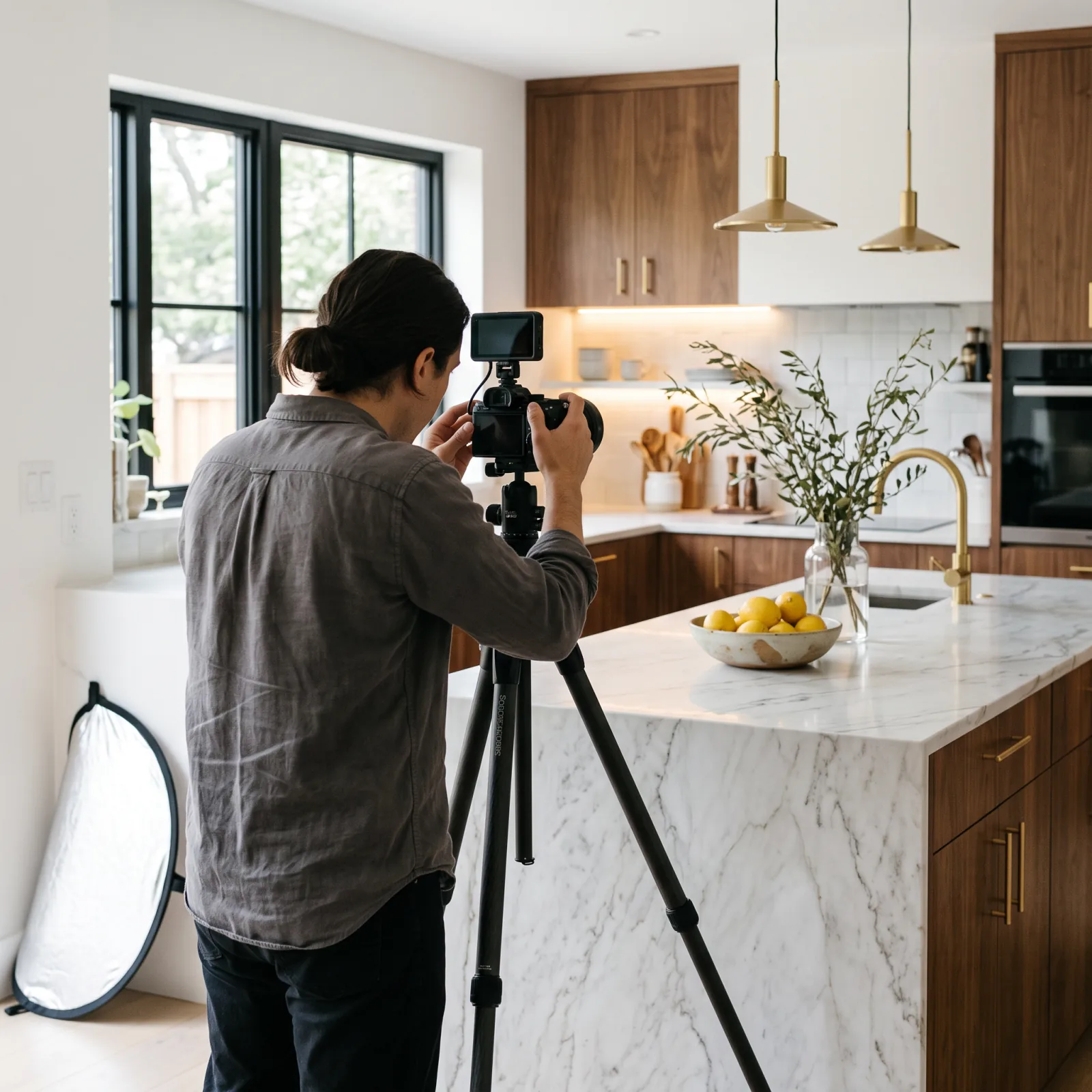
Clients judge your design through the quality of the photographs. A few rules that make the biggest difference:
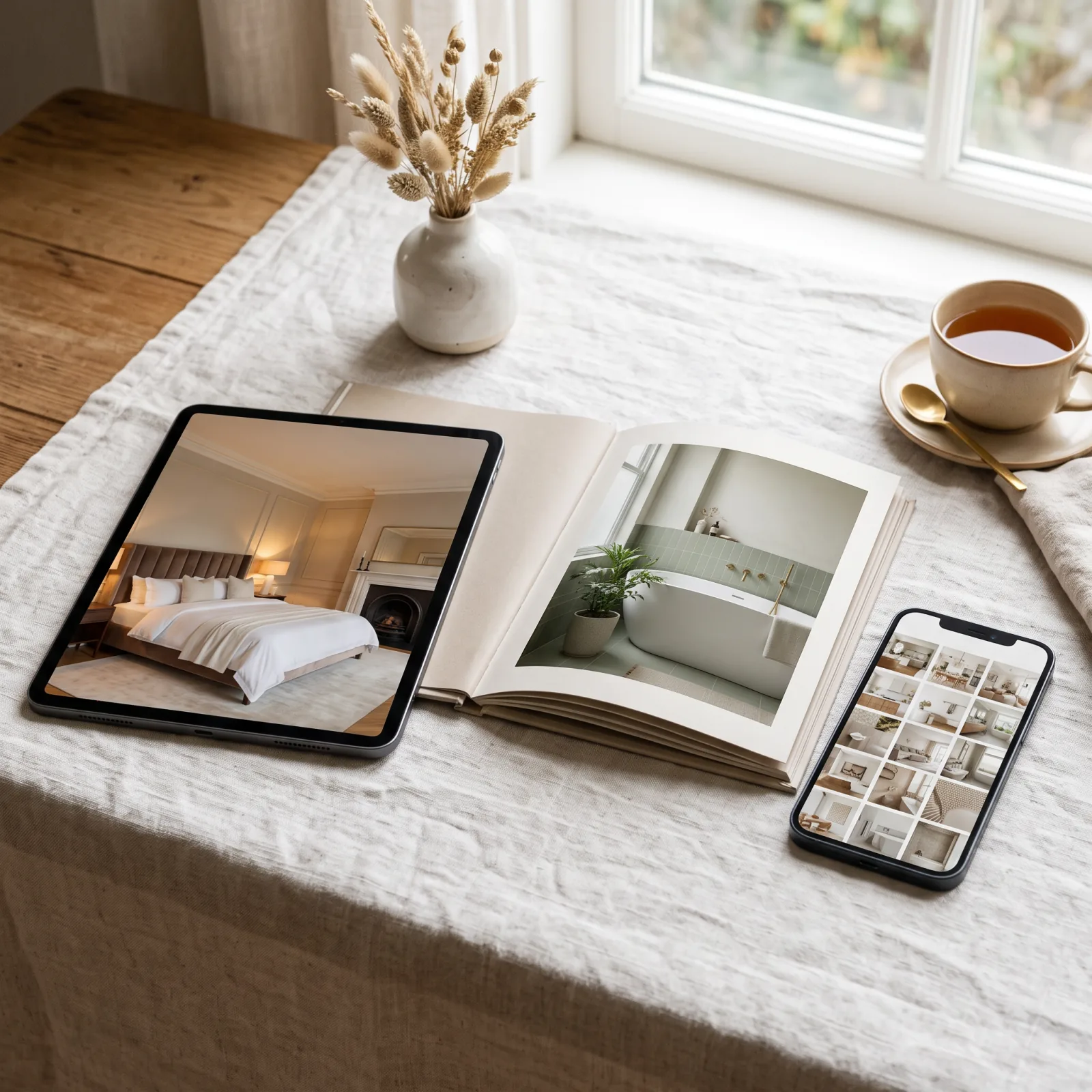
You will likely need more than one format:
Whatever the format, reuse the same case-study structure so every channel tells the same story.
Students are judged less on finished rooms and more on thinking. Show the full process: concept sketches, space planning, CAD drawings, material boards and renderings, with one or two sentences explaining each decision. Competitions are a strong way to add credibility — the ASID Student Portfolio Competition, for example, has awarded $6,000 scholarships to its winners.
A portfolio only works if people see it. Every month, interior designers publish their best room projects on Interior Design Awards. The community votes, the top 3 in the most active categories earn cash prizes, and every approved project gets a public page you can link from your own portfolio.
→ Browse this month's projects
→ Publish your project for free
Interior Design Awards (IDA) is a platform where designers share room projects, the community votes monthly, and the top designers earn recognition and rewards. Based in the US, open to designers worldwide.